
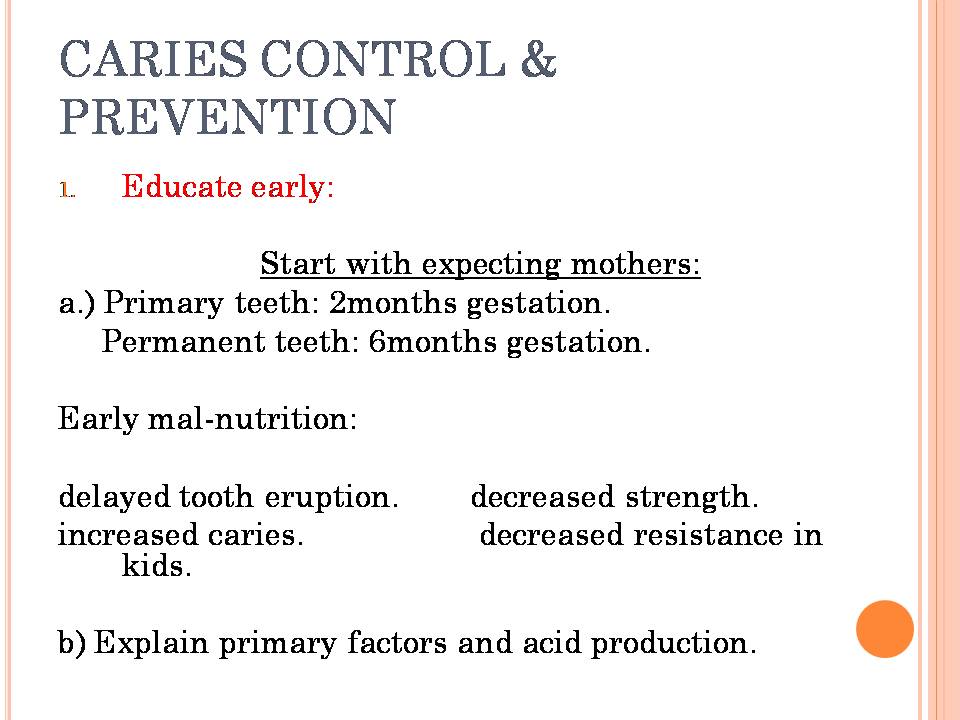
1.Educate early:
Start with expecting mothers:
a.) Primary teeth: 2months gestation.
Permanent teeth: 6months gestation.
Early mal-nutrition:
delayed tooth eruption. decreased strength.
increased caries. decreased resistance in kids.
b) Explain primary factors and acid production.
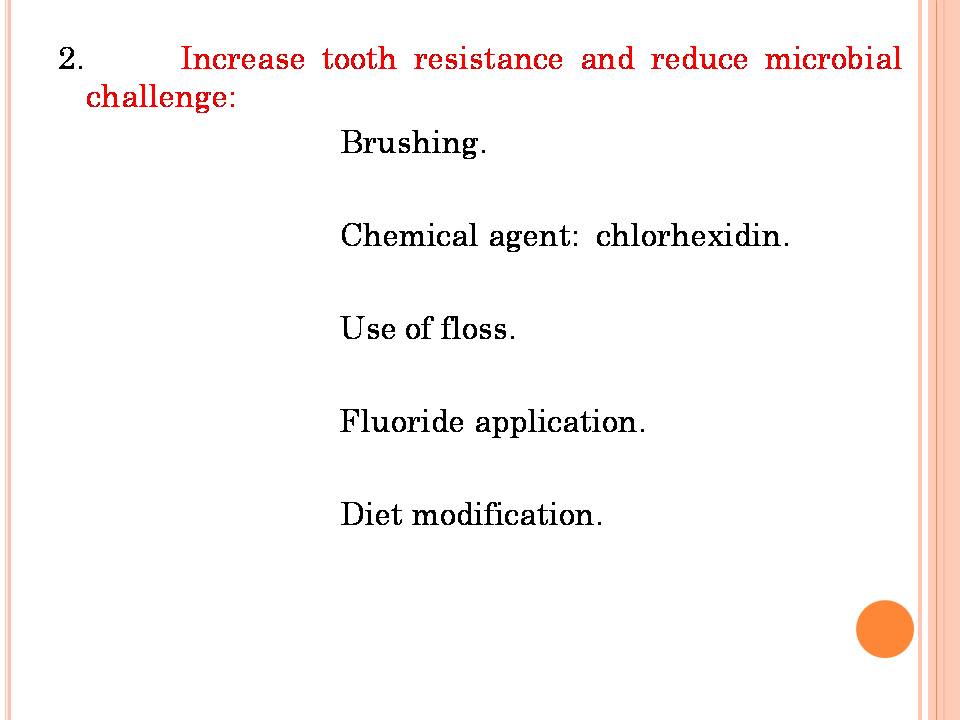
2. Increase tooth resistance and reduce microbial challenge:
Brushing.
Chemical agent: chlorhexidin.
Use of floss.
Fluoride application.
Diet modification.
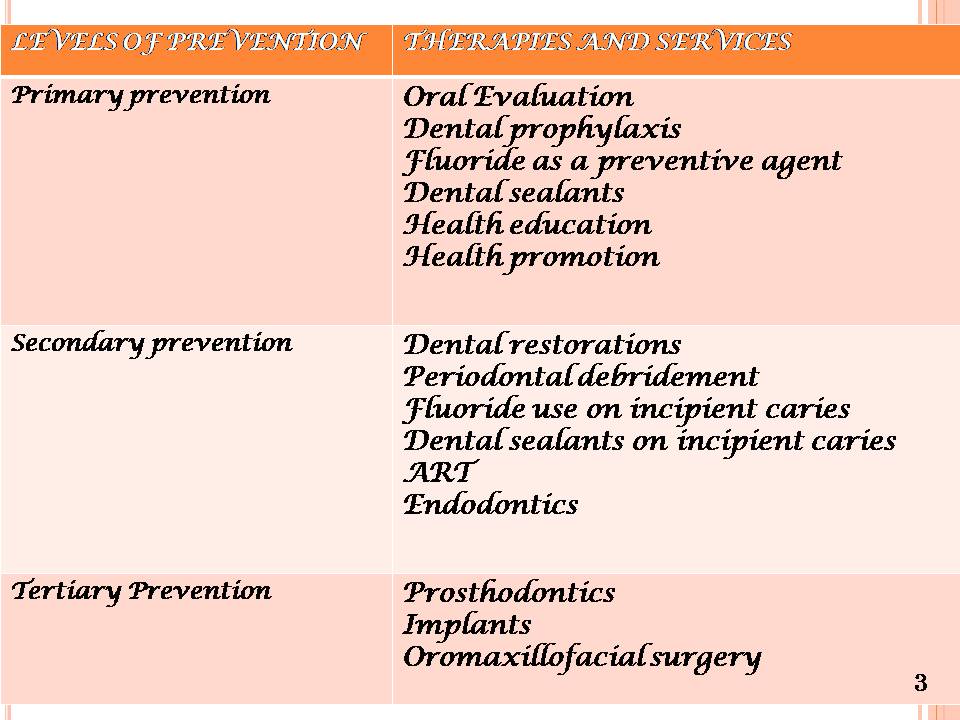
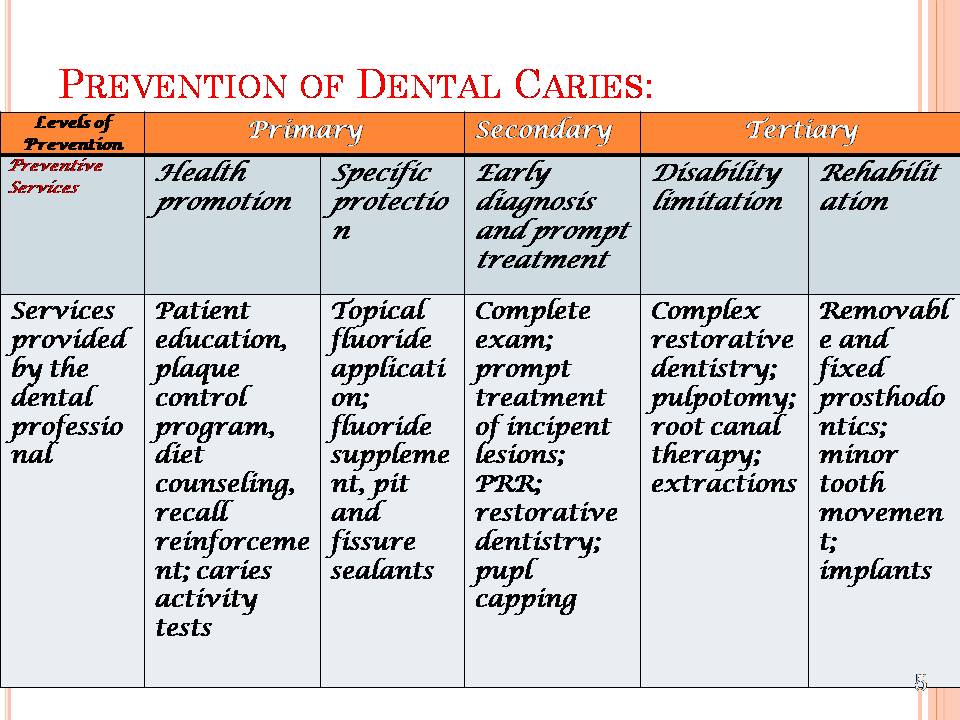
Prevention of Dental Caries:
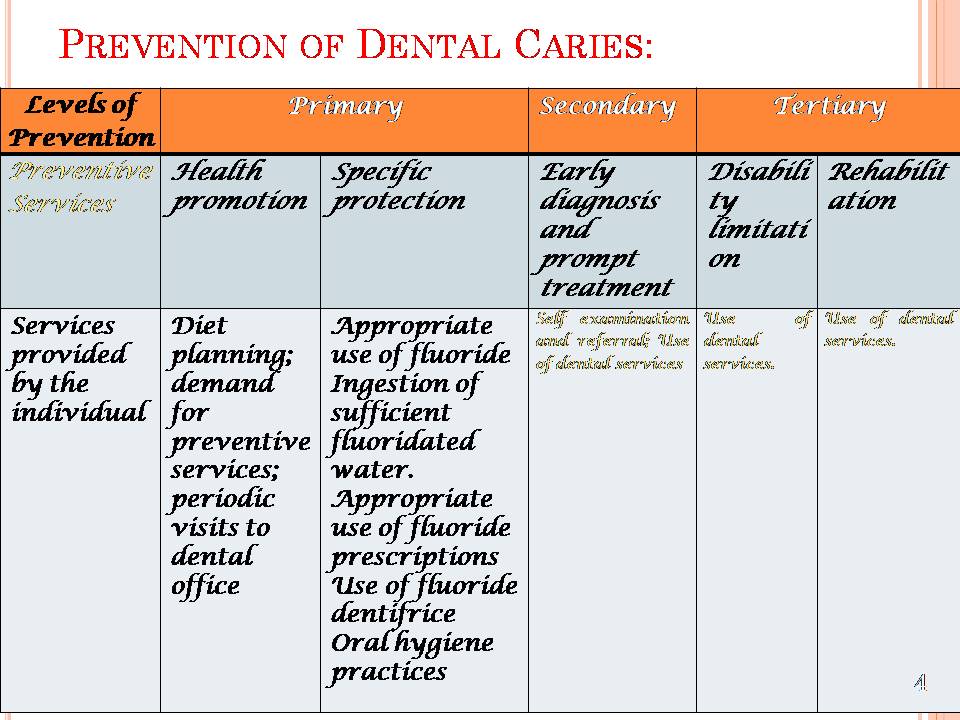
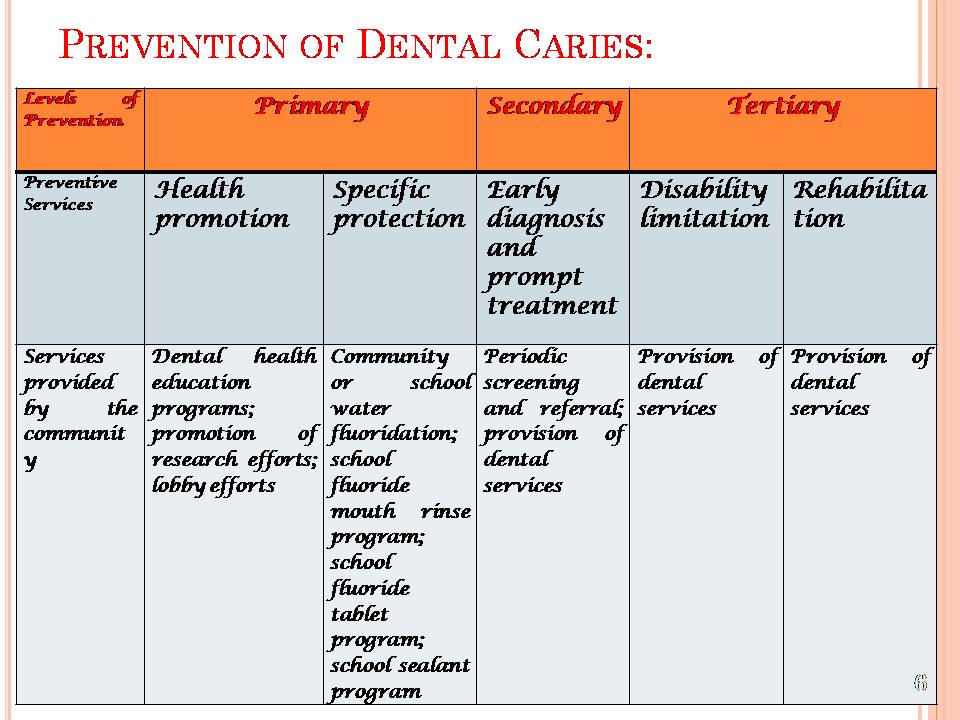
Prevention of Dental Caries:
Prevention of Dental Caries:
CARIOGRAM
The aetiological factors of dental caries are largely known and although it is preventable, it continues to exist in significant proportions.
There is scientific proof that dental caries can be managed and to a large degree completely prevented. Nevertheless, the burden of oral disease is still excessive for many individuals: therefore, increased preventive efforts remain necessary.
As we know, every disease is associated with agent or agents. The disease agent may be unidentified for certain diseases. Where the disease agent is not firmly established, the aetiology is generally discussed in terms of risk factors.
Risk factors may be truly causative, they may be merely contributory to the undesired outcome, or they may be predictive only in a statistical sense.
Dental caries is one such disease which is very complex in its nature; several risk factors for dental caries have been identified and studied.
Certain risk factors can be modified, others cannot be modified. The modifiable risk factors are amenable to intervention and are useful in the care of the individual.
The unmodified or immutable risk factors are quite challenging to health care professionals.
The risk factors should be comprehensively studied, tackled, modified so that the occurrence of dental caries can be prevented.
Therefore, caries – preventive measures be integrated and must be based on predicted risk.
The process of caries risk assessment enables to identify those persons who will most likely develop caries; hence proper preventive and curative measures can be implemented to prevent or at least slow down the occurrence or progression of disease.
Indications for caries risk assessment
Indicated in population where a large portion is caries free, but some individuals are still highly caries-active
Where resources are available to take care of these targeted persons.
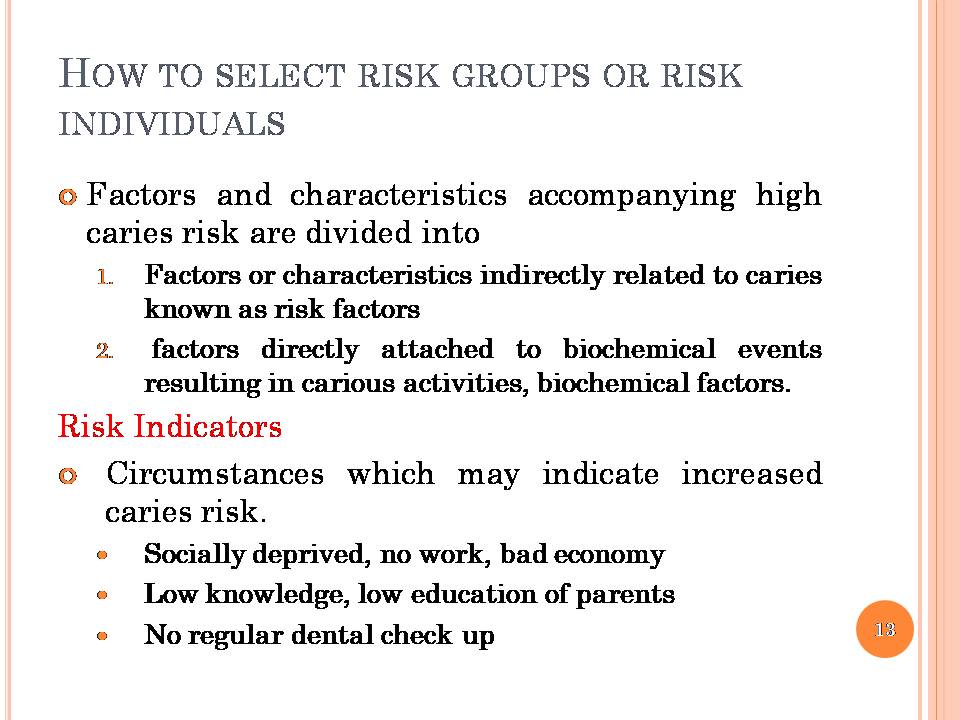
How to select risk groups or risk individuals
Factors and characteristics accompanying high caries risk are divided into 1.Factors or characteristics indirectly related to caries known as risk factors 2. factors directly attached to biochemical events resulting in carious activities, biochemical factors.
Risk Indicators
Circumstances which may indicate increased caries risk.
Socially deprived, no work, bad economy
Low knowledge, low education of parents
No regular dental check up
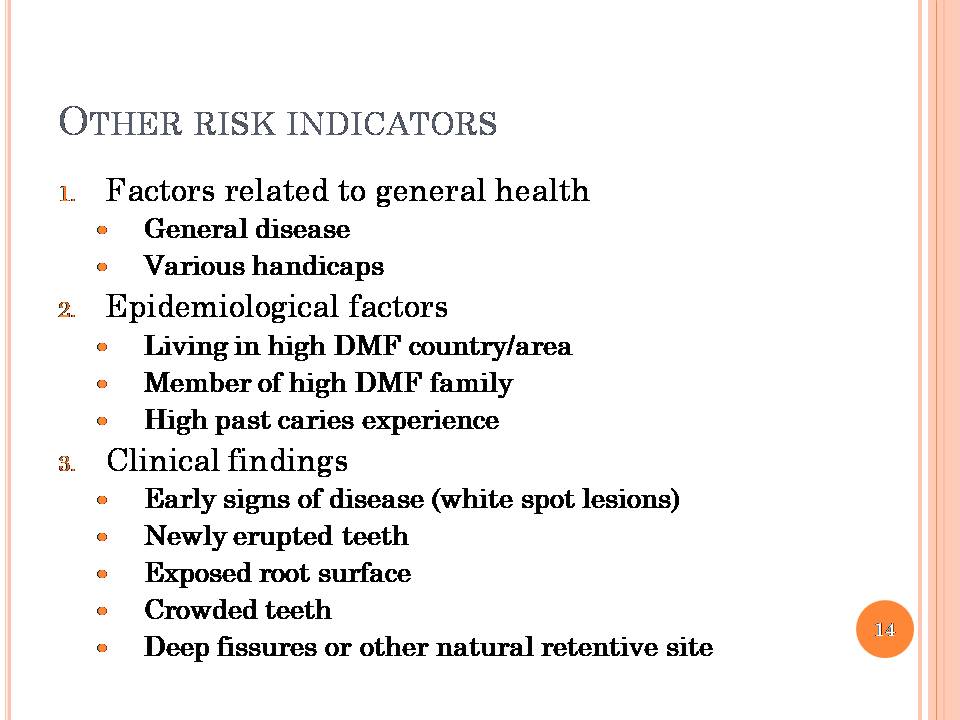
Other risk indicators 1.Factors related to general health
General disease
Various handicaps 2.Epidemiological factors
Living in high DMF country/area
Member of high DMF family
High past caries experience 3.Clinical findings
Early signs of disease (white spot lesions)
Newly erupted teeth
Exposed root surface
Crowded teeth
Deep fissures or other natural retentive site
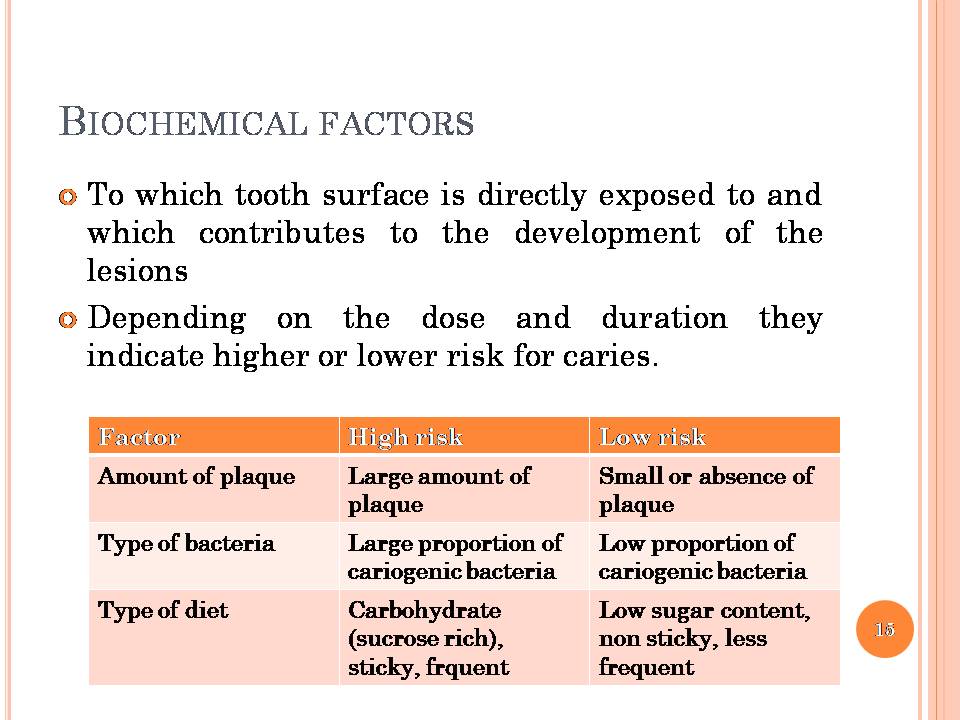
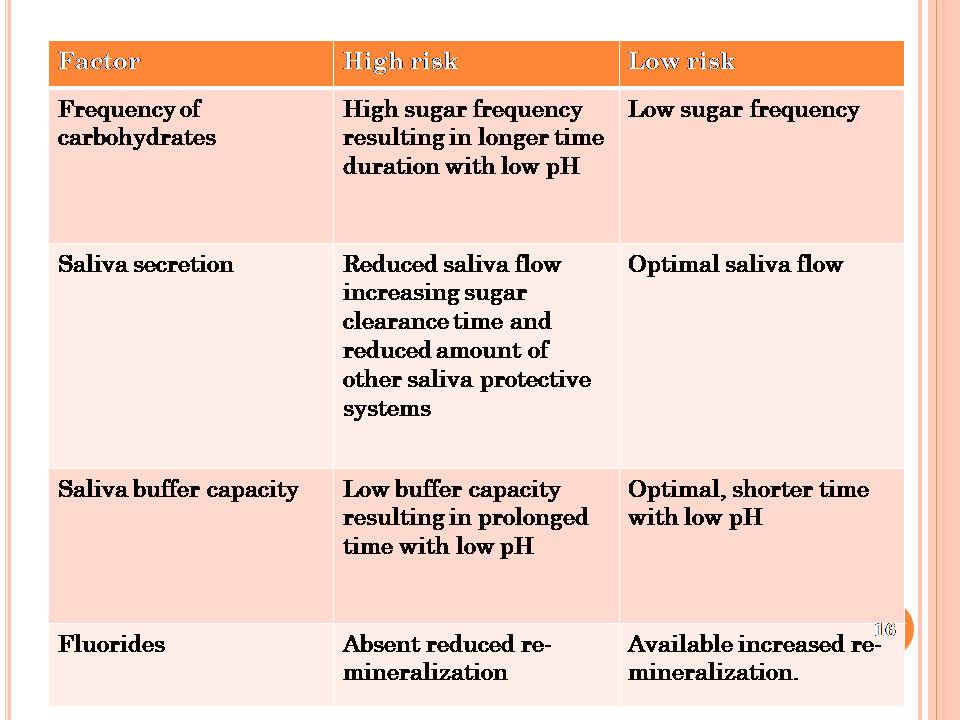
Biochemical factors
To which tooth surface is directly exposed to and which contributes to the development of the lesions
Depending on the dose and duration they indicate higher or lower risk for caries.
Now, the question arises, what exactly the caries risk is and how caries risk assessment may be performed for a patient.
It is based on the view that the main etiological factors for the dental caries are known and that these factors can be identified and often modified to the benefit of the patient.
To illustrate and assess caries risk profile of an individual, a new concept is introduced, known as “The Cariogram”.
THE CARIOGRAM
This new model, the Cariogram, was presented in 1996 by Bratthall D, for illustration of the interactions of caries-related factors and modified in 1997.
The model makes it possible to single out individual risk or resistance factor.
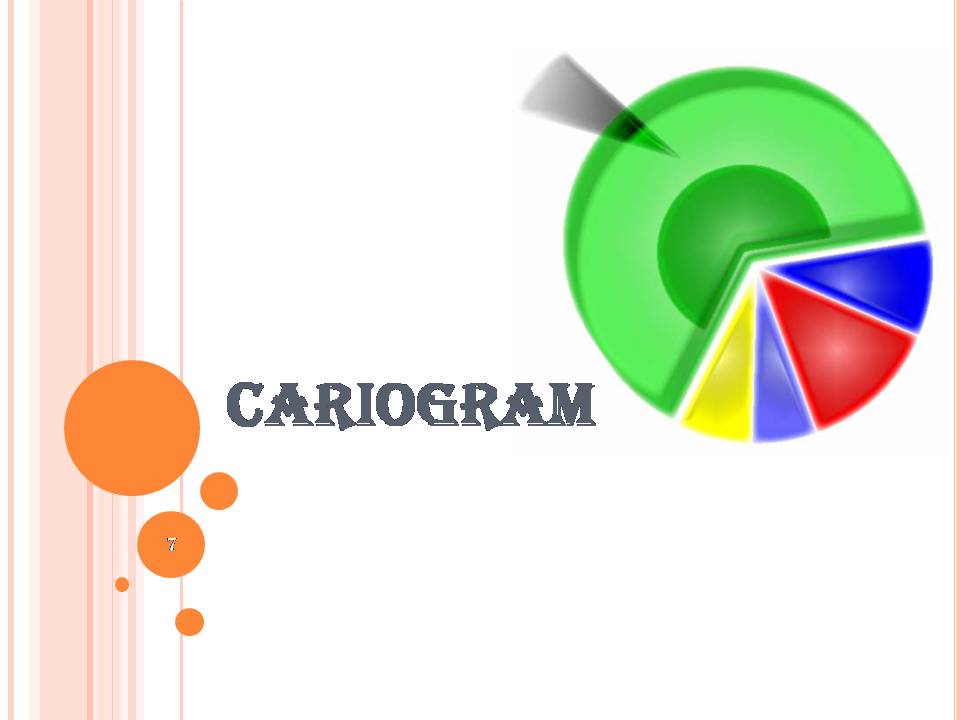
The original Cariogram was a circle divided into three sectors, each representing factors strongly influencing carious activity – Diet, Bacteria and Susceptibility.
It is a graphical picture illustrating in an interactive way the individual’s/patient’s risk for developing new caries in the future, simultaneously expressing to what extent different etiological factors of caries affect the caries risk for that particular patient.
It does never specify a particular number of cavities that will or will not occur in the future but rather illustrates a possible over-all risk scenario.
It illustrates caries related factors and suggests action to be taken. It can be a tool for motivating the patient, and the model can also serve as a support for clinical decision making while selecting preventive strategies for the patient.
Aims of cariogram 1.Illustrates the interaction of caries related factors. 2.Illustrates the chance to avoid caries. 3.Expresses caries risk graphically. 4.Recommends targeted preventive actions. 5.Can be used in the clinic. 6.Can be used as an educational programme. ●
CARIOGRAM- THE FIVE SECTORS
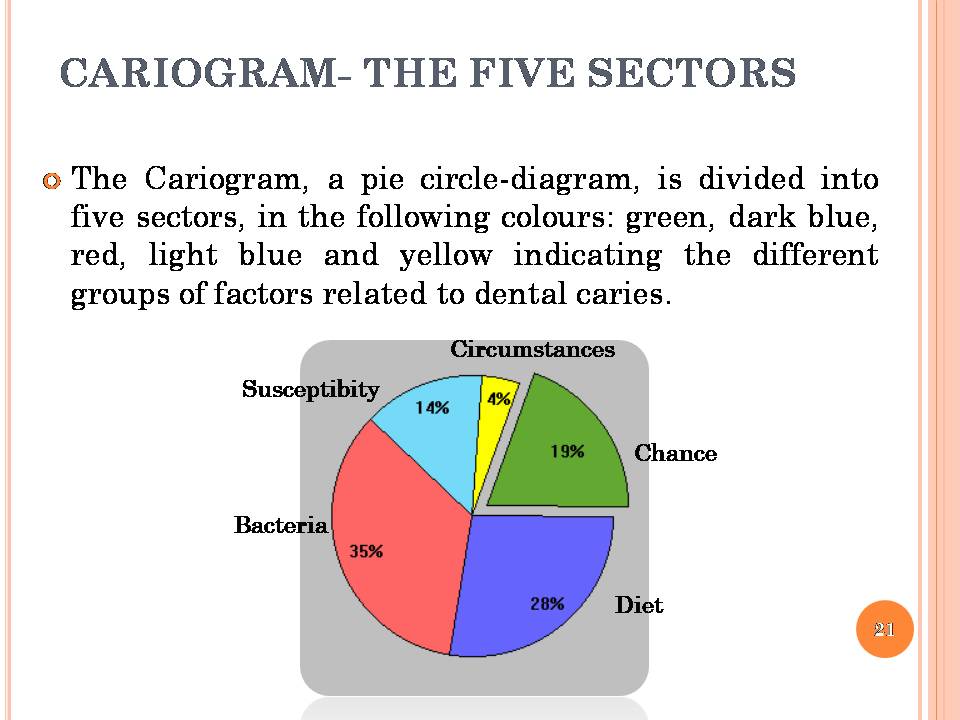
The Cariogram, a pie circle-diagram, is divided into five sectors, in the following colours: green, dark blue, red, light blue and yellow indicating the different groups of factors related to dental caries.
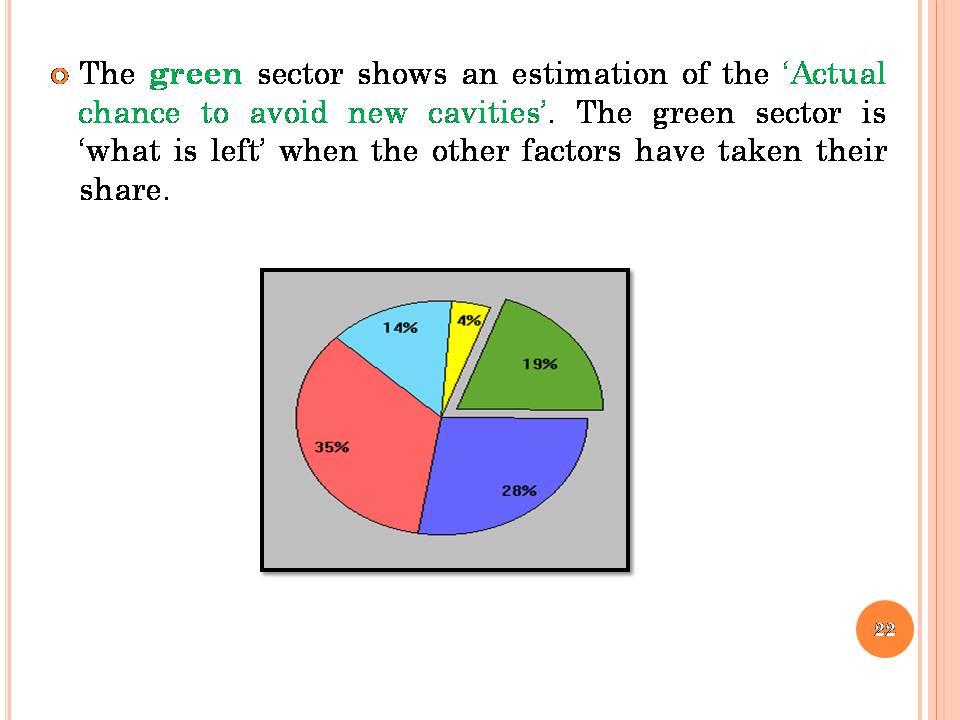
The green sector shows an estimation of the ‘Actual chance to avoid new cavities’. The green sector is ‘what is left’ when the other factors have taken their share.
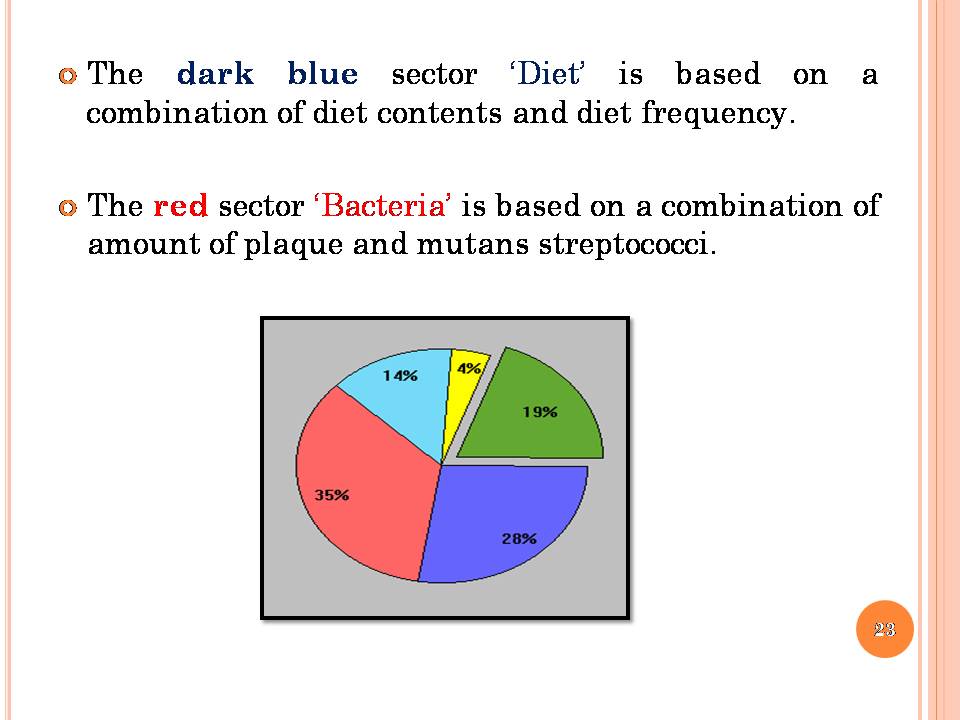
The dark blue sector ‘Diet’ is based on a combination of diet contents and diet frequency.
The red sector ‘Bacteria’ is based on a combination of amount of plaque and mutans streptococci.
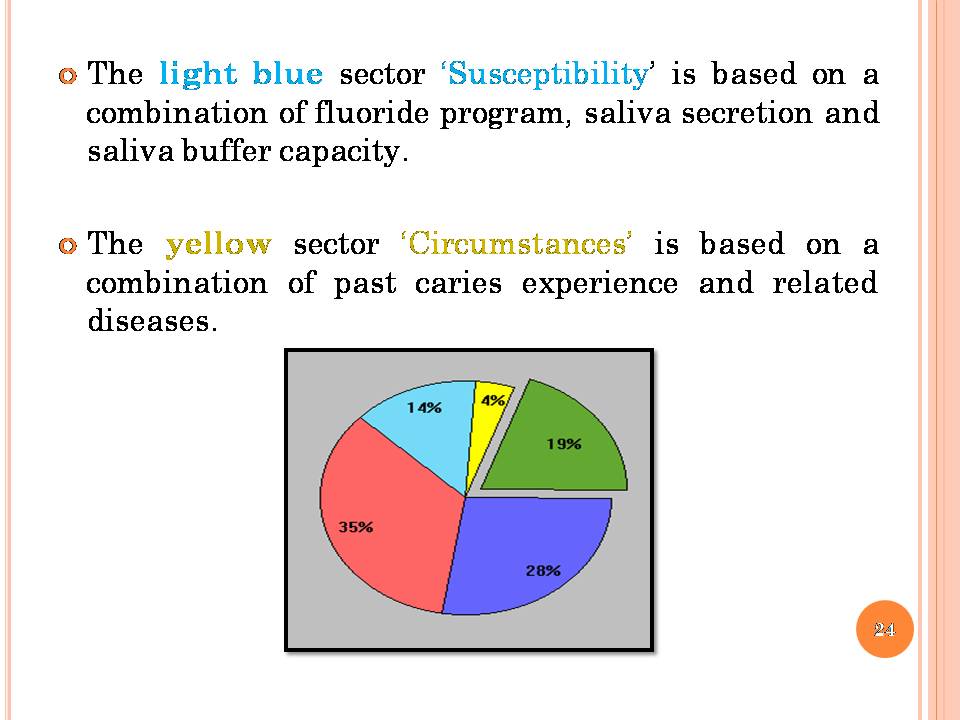
The light blue sector ‘Susceptibility’ is based on a combination of fluoride program, saliva secretion and saliva buffer capacity.
The yellow sector ‘Circumstances’ is based on a combination of past caries experience and related diseases.
CARIES RISK
‘Risk’ is the probability that some harmful event will occur.
Risk is often defined as the probability of an ‘unwanted’ event occurring within a specified period of time.
Caries risk is the probability that an individual will develop carious lesions, reaching a given stage of the disease in progression during a specified period of time, conditional that the exposure status for risk factors remains stable during the period in question.
Thus, Caries risk relates to the likelihood of a person developing caries lesions or not.
Which factors are to be considered in
the estimation of caries risk?
These factors can be divided into two groups: 1.Factors immediately involved in the caries process, either as ‘attack’ or ‘defence’ mechanisms, at the site of the development of the lesion.(Attack – Dental Plaque, Specific micro-organismsa in plaque, Diet. Defence – Salivary protective systems, Fluoride exposure.) ● 2.Factors related to the occurrence of caries, without actually participating in the development of the lesion. (Socio-economic factors, Past caries experience.
PRINCIPLES OF CARIES RISK ESTIMATION
BASED ON “CARIOGRAM” CONCEPT
The Cariogram is basically built on the first group of factors. This does not mean that the second group is ignored as these factors indirectly contribute to changes in the factors in the first group.
For example, poor socio-economic factors can affect both oral hygiene and the diet of an individual negatively.
Factors, to which the tooth surface is directly exposed and which contribute to the development of the caries lesion, are dependent on ‘dose’, ‘frequency’ and ‘duration’.
Each factor therefore has to be considered from this point of view. For example, a large amount of plaque (high dose) only indicates high risk if present often (high frequency) and for a longer period of time (long duration).
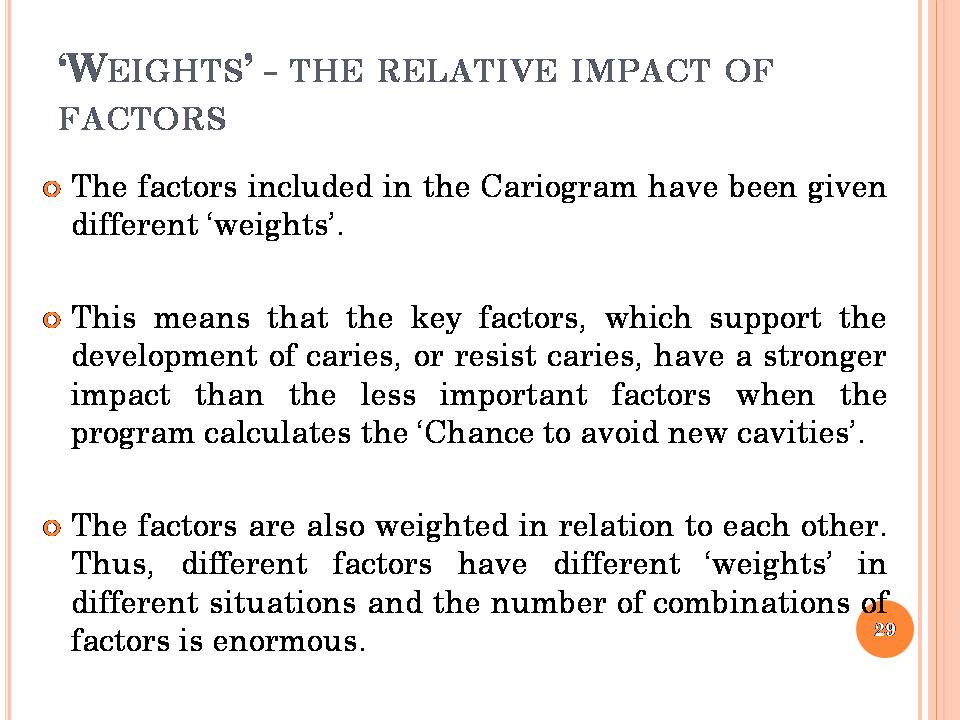
‘Weights’ – the relative impact of factors
The factors included in the Cariogram have been given different ‘weights’.
This means that the key factors, which support the development of caries, or resist caries, have a stronger impact than the less important factors when the program calculates the ‘Chance to avoid new cavities’.
The factors are also weighted in relation to each other. Thus, different factors have different ‘weights’ in different situations and the number of combinations of factors is enormous.
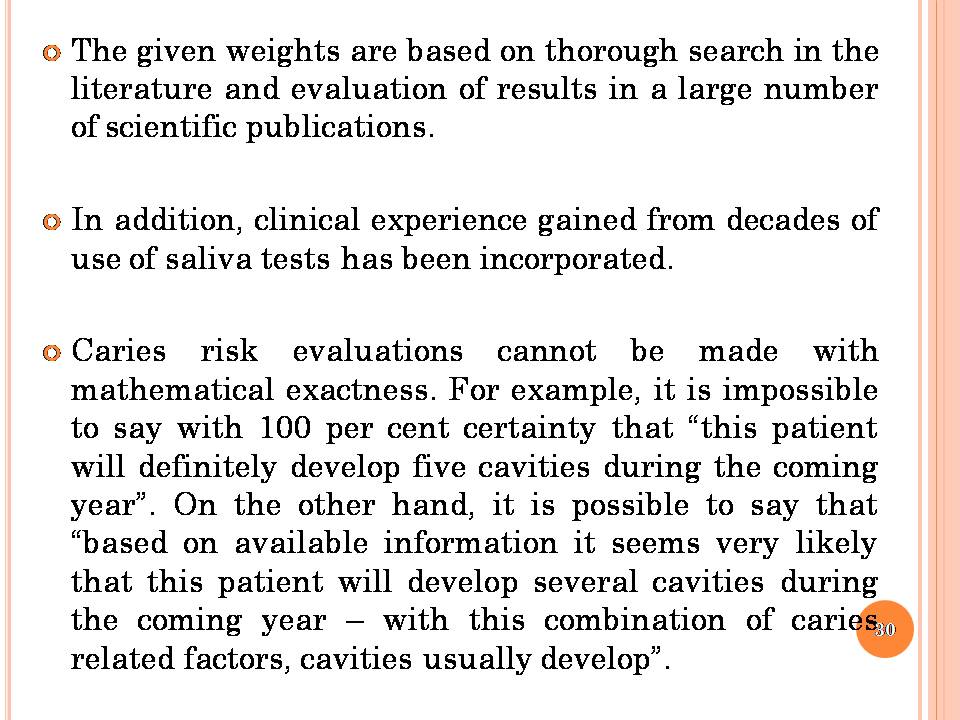
The given weights are based on thorough search in the literature and evaluation of results in a large number of scientific publications.
In addition, clinical experience gained from decades of use of saliva tests has been incorporated.
Caries risk evaluations cannot be made with mathematical exactness. For example, it is impossible to say with 100 per cent certainty that “this patient will definitely develop five cavities during the coming year”. On the other hand, it is possible to say that “based on available information it seems very likely that this patient will develop several cavities during the coming year – with this combination of caries related factors, cavities usually develop”.
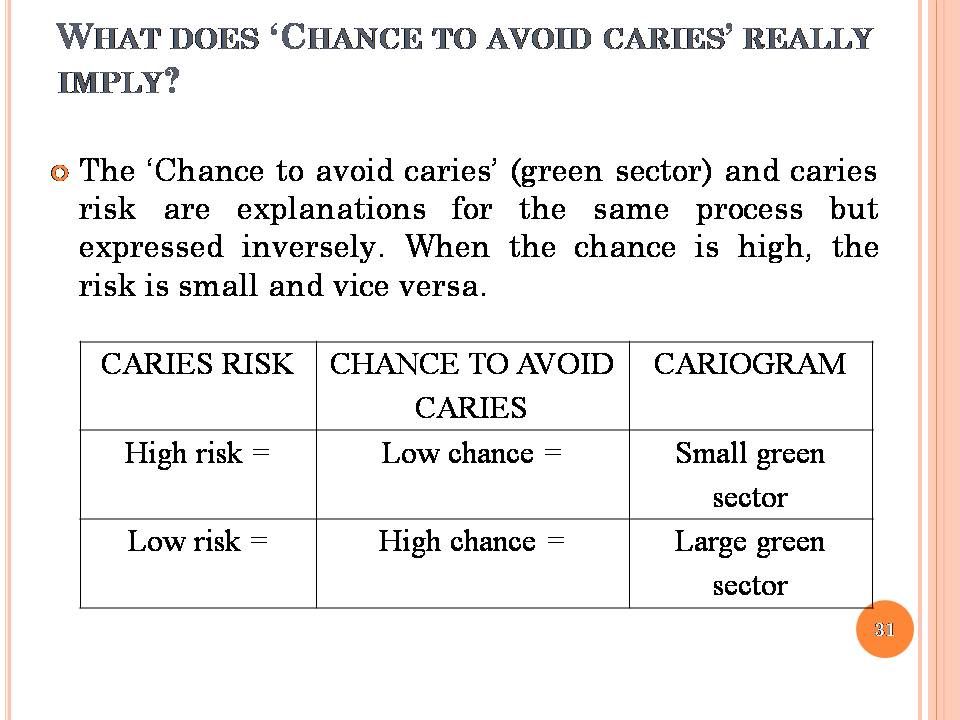
What does ‘Chance to avoid caries’
really imply?
The ‘Chance to avoid caries’ (green sector) and caries risk are explanations for the same process but expressed inversely. When the chance is high, the risk is small and vice versa.
CONCLUSION
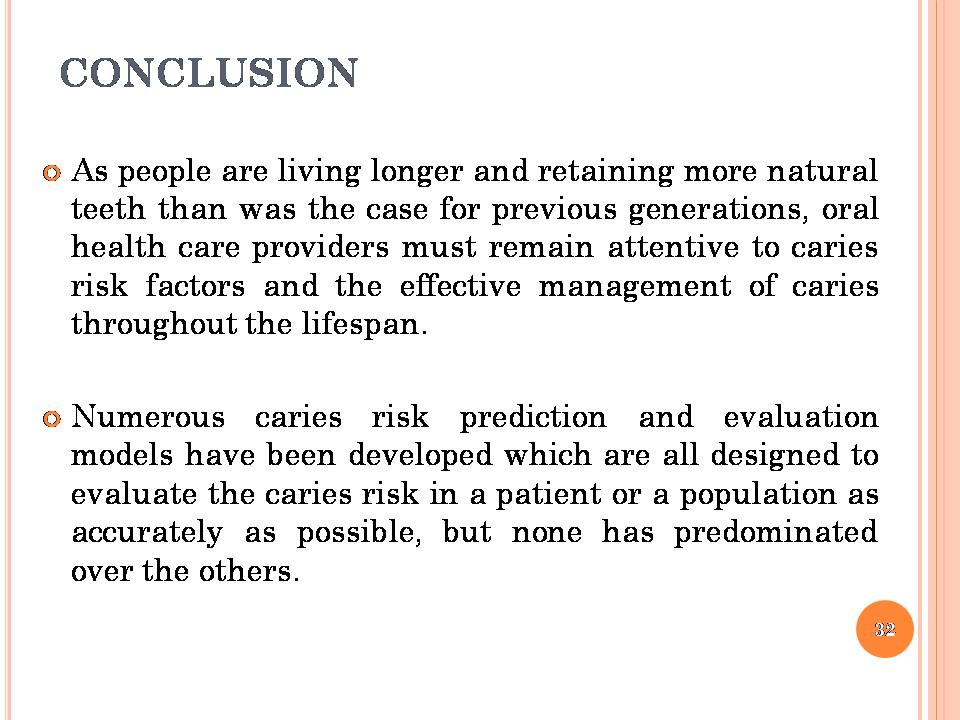
As people are living longer and retaining more natural teeth than was the case for previous generations, oral health care providers must remain attentive to caries risk factors and the effective management of caries throughout the lifespan.
Numerous caries risk prediction and evaluation models have been developed which are all designed to evaluate the caries risk in a patient or a population as accurately as possible, but none has predominated over the others.
The Cariogram, is considered one of the most reliable model for predicting caries risk in an individual because it is an objective, quantitative method that uses a computer program to calculate the data, with results that can be printed out and saved. Another advantage is that it makes a series of recommendations for preventive action according to the caries risk.
The pie chart presentation with its different sectors makes it easier for patients to understand, so increases their motivation and their comprehension of the factors that are having or could have a negative effect on their oral health.
The Cariogram software program highlights both relevant caries-related factors and practical therapeutic interventions for the patients. Past caries experience, Streptococcus mutans counts, fluoridation programme and buffer capacity of the saliva are the main factors included in the Cariogram that shows significant correlation with the caries risk determined by this software.
REFERENCES
Hiremath SS. Textbook of Preventive and community dentistry. 2nd edn. India: Elsevier; 2011.
Axelsson P. Diagnosis and Risk Prediction of dental caries. 2nd edn. Quintessence publishing Co; 2000.
Peter S. Preventive and Community Dentistry. 4th edn. New Delhi: Arya Publications; 2010.
Bratthall D, Petersson GH, Stjernsward JR. Cariogram Manual. Internet Version 2.01; 2004
Bratthall D, Petersson GH. Cariogram – a multifactorial risk assessment model for a multifactorial disease. Community Dent Oral Epidemiol 2005; 33(4): 256-264.
Alian AY, McNally ME, Fure S, Birkhed D. Assessment of caries risk in elderly patients using the Cariogram model. J Can Dent Assoc 2006;72(5):459–463.
Miravet AR, Company JMM, Silla JMA. Evaluation of caries risk in a young adult population. Med Oral Patol Oral Cir Bucal 2007; 12: 412-418.
Rundegren J and Ericson T. Actual caries development compared with expected caries activity. Community Dent Oral Epidemiol 1978; 6(2) :97-102.

 COMMUNITY DENTISTRY LECTURES
Leave a comment